
A Recruiter’s Guide to Getting It Right.
Working on a Superyacht
The yachting industry is a thrilling world of luxury, adventure, and precision, where superyachts glide through pristine waters and crews deliver impeccable service to discerning guests. With over 5,000 superyachts in the global fleet and demand growing for skilled professionals in roles like deckhands, steward-esses, engineers, chefs, and captains, the job market is fiercely competitive. As maritime professionals, ex-yachtcrew with deep insights into maritime recruitment and ownership, we’ve reviewed countless applications and seen the same frustrating errors repeated over and over. These aren’t just minor oversights—they’re dealbreakers that can sink your chances before you even get a foot on deck.
In this guide, we’ll explore four critical mistakes yachting candidates make, including not reading job descriptions, applying without proper qualifications or visas, submitting generic resumes, and crafting vague or irrelevant objectives. If you’re dreaming of a career on the high seas, avoiding these pitfalls will help you stand out and secure your spot on a superyacht crew.
Recruiters in this industry are looking for candidates who are not only skilled but also reliable, legally compliant, and a perfect fit for the vessel’s operations. Platforms like Yotspot and Crewbay see hundreds of applications for every opening, so there’s no room for sloppy submissions. These errors waste time for everyone involved and can lead to swift rejections. Backed by industry insights from sources like the Professional Yachting Association (PYA) and the International Yacht Brokers Association (IYBA), let’s break down these blunders and how to fix them to navigate the yachting job market successfully.
Mistake #1: Not Reading the Job Description Before Applying
One of the most common and avoidable errors is applying without thoroughly reading the job description (JD). For instance, a posting for a junior deckhand on a 60-meter Mediterranean yacht will require STCW certification, at least one season’s experience, and maybe proficiency in water sports. Yet, recruiters often receive applications from candidates with no maritime background, like office workers or retail staff, who clearly haven’t reviewed the details. This “spray and pray” approach signals carelessness and a lack of genuine interest—qualities that are unacceptable in an industry where precision can mean the difference between smooth sailing and disaster.
The glamour of yachting, with its exotic ports and social media-highlighted lifestyles, attracts many dreamers who overlook the demanding reality of long hours, confined spaces, and high-stakes guest service. According to the PYA, up to 60% of applications are discarded in the initial screening due to obvious mismatches. Not reading the JD leads to wasted effort on both sides and erodes your confidence with repeated rejections.
Fix it: Always take time to study the job description carefully. Ensure you match at least 80% of the requirements, and tailor your cover letter to address them directly. If the role demands Caribbean cruising but your schedule or location doesn’t align, move on to better fits. This targeted strategy respects recruiters’ time and boosts your success rate in yachting job applications.
Mistake #2: Applying Without the Right Qualifications, Experience, or Visas
Another major pitfall is submitting applications when you’re not qualified, lacking the necessary experience, or without the proper visas to work legally in the yacht’s operational regions. Yachting is inherently international, with vessels flagged in countries like the USA, Malta, Cayman, or the Bahamas, each imposing strict visa and work permit rules. For example, non-citizens of the US can not generally work on US-flagged yachts. Yet foreign citizens will typically need a B1/B2 visa to enter the US, while European operations fall under Schengen regulations. Applying without these can expose owners to fines and crew to deportation risks, making such applications immediate non-starters.
Qualifications are equally non-negotiable. Entry-level positions require basics like STCW Basic Safety Training and an ENG1 medical certificate, while senior roles demand MCA Yachtmaster certifications and years of logged sea time.
The IYBA reports that visa issues alone cause 40% of hiring delays in the superyacht sector. Desperation or misinformation from glamorized media like “Below Deck” often fuels these missteps, but enthusiasm can’t substitute for proper preparation.
Fix it: Conduct an honest self-audit of your skills, certifications, and visa status. Invest in training at institutions like the Superyacht Academy to fill gaps, and consult visa experts early to ensure compliance before hitting submit. Only apply when you’re fully qualified and legally ready to join a yacht crew.

Mistake #3: Submitting a Generic Resume Without Tailoring It to the Position
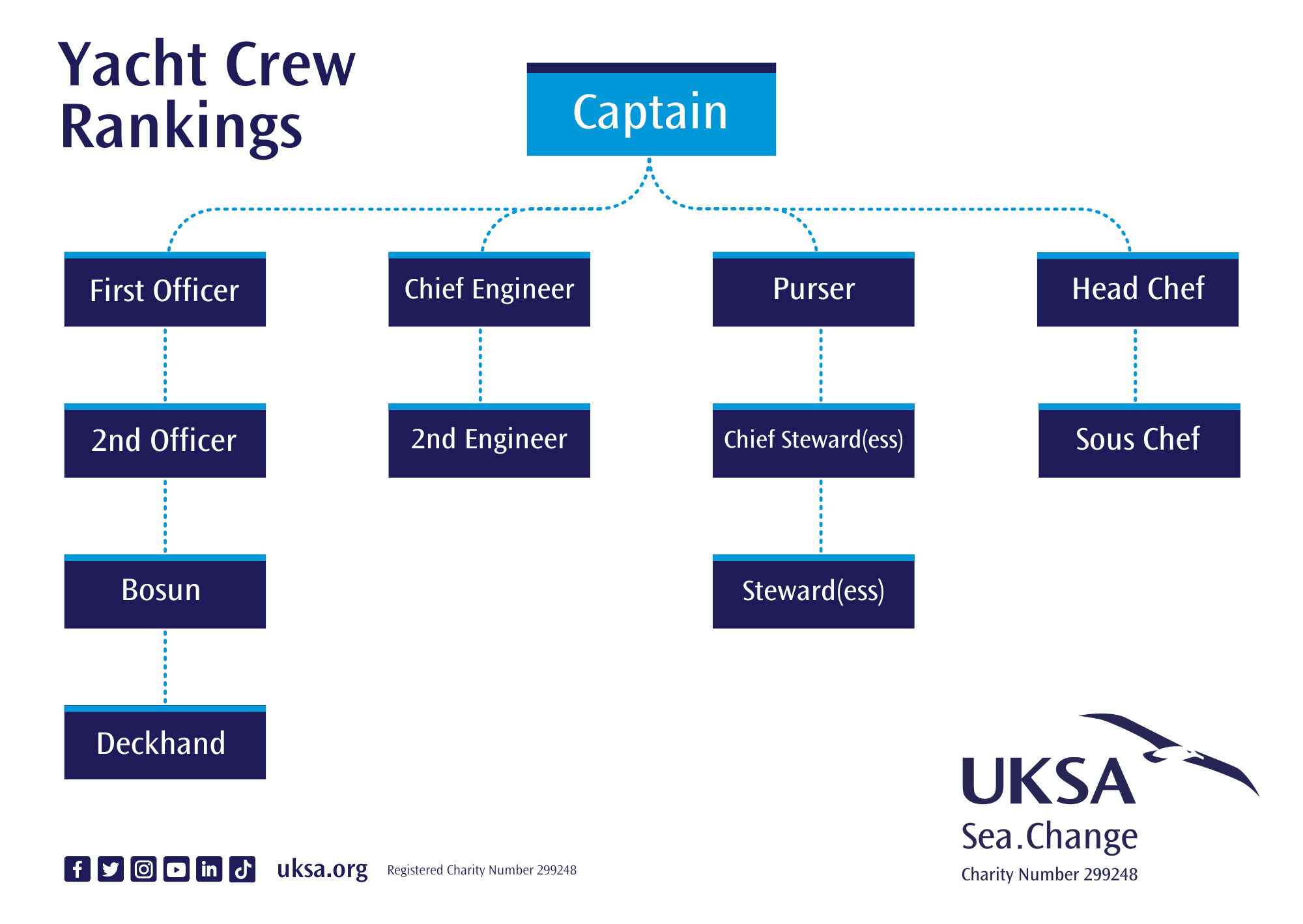
Tailoring your resume is crucial, yet many candidates send generic versions that don’t align with the role. Consider a chief stewardess applying for a junior stewardess position with a CV focused solely on senior management achievements—why apply for a step down, and why not adjust to highlight relevant skills? Yacht crew hierarchies are rigid: chief stewards oversee teams, budgets, and elite service, while juniors focus on housekeeping, laundry, and basic guest interactions under supervision. A one-size-fits-all resume confuses recruiters, raising questions about overqualification, potential quick departures, or hidden issues like employment gaps.
This mistake persists because customizing takes effort, and digital tools make mass applications tempting. However, a Crew Network study shows that tailored resumes receive 30% more interview callbacks. Without personalization, your application appears lazy or mismatched, cluttering the recruiter’s inbox.
Fix it: Customize your resume for each yachting job, incorporating keywords from the JD to pass applicant tracking systems (ATS). Emphasize pertinent experience, trim unrelated senior details, and use your cover letter to explain any role shifts, such as seeking a better work-life balance on a prestigious vessel. Demonstrate that you understand the position and how you fit into the yacht crew hierarchy.
Mistake #4: Writing Vague or Irrelevant Resume Objectives
A resume objective should be a concise pitch, but too often, it’s a vague autobiography that adds no value. Phrases like “Raised in a small farming village, I’ve always loved the sea” or listing GCSE or matric qualifications and a “passion for adventure” belong nowhere near a professional yachting CV. Expecting the resume reader to know what they are. Unless you hold a relevant degree in marine engineering or hospitality management, high school credentials or childhood stories dilute your marketing and waste precious space. Recruiters want role-specific objectives that showcase your understanding of the job and industry fit.
For example, “Seeking a yachting role to explore my love for the ocean” reveals nothing about your qualifications for a stewardess position. In contrast, “To leverage two years of hospitality experience and STCW certification as a dedicated stewardess on a superyacht” is direct, professional, and impactful. Blending personal history with generic enthusiasm screams amateur and fails to highlight why you’re the ideal candidate.
Fix it: Keep objectives to one or two sentences focused on the role and your key qualifications. For a deckhand job, try: “To contribute Powerboat Level 2 skills and one season’s deck experience to a dynamic yacht crew.” Skip anecdotes and irrelevant education—concentrate on what makes you a strong fit for the superyacht position.
Charting Your Course to Success in the Yachting Industry
These four mistakes—not reading job descriptions, applying unqualified or without visas, using generic resumes, and writing irrelevant objectives—are prevalent in yachting applications and stem from haste, misinformation, or overconfidence. Fortunately, they’re entirely avoidable with a strategic approach. Study postings thoroughly, ensure you’re qualified and visa-compliant, tailor your materials, and craft targeted objectives. Build your network at events like the Monaco Yacht Show, maintain a professional online presence, and seek feedback from mentors. Yachting isn’t merely a job; it’s a demanding lifestyle that rewards precision, preparation, and passion in equal measure. Steer clear of these errors, and you’ll be well on your way to a rewarding superyacht career.
This blog is builds on the post “Is your Resume holding you back? May 6, 2025…check it out here